When you look into personal safety gear, you will hear a lot about armor. One term that comes up often is level iv plates. These are some of the strongest pieces of protection you can find. People who work in dangerous jobs or need high-level security often choose them. Think of them as a very strong shield for your chest area. They are built to stop very fast and powerful bullets. Understanding how these work can help you make smart choices about gear. Let’s break down everything you need to know in a simple way.
What Are Level IV Plates Exactly?
At their core, level iv plates are specialized inserts for vests. They are designed to keep you safe from rifle fire. Unlike softer vests that only stop handguns, these are hard and tough. Manufacturers build them using ceramic, steel, or special plastic materials. This mix makes them very good at breaking up a fast bullet before it hits you. When you search for level iv plates, you will see they are rated by an organization called the NIJ. This group tests gear to make sure it works every single time.
How Do They Stop Powerful Bullets?
The way level iv plates work is quite amazing to think about. When a bullet hits the plate, the material spreads the force out. This is called energy distribution. Because the plate is hard, it stops the bullet from moving forward. It actually traps or breaks the bullet into tiny pieces instantly. This keeps the person wearing it safe from injury. If you are looking at level iv plates, know that they are built for the toughest jobs. They are designed to withstand armor-piercing rounds. This technology is truly advanced but serves a very simple, life-saving goal for users.
Why Are Materials So Important?
Not all armor is made the same way, and the material matters. Many level iv plates use ceramic because it is very hard and lightweight. Other level iv plates might use a blend of materials for more durability. The choice of material changes how heavy the plate feels on your body. If you wear them for a long time, weight becomes a huge factor. Engineers work hard to make level iv plates lighter while keeping them strong. Always check what the plate is made of before buying. A good balance of weight and strength is what you really want.
The Role of Ceramic in Body Armor
Ceramic is a top choice when people manufacture level iv plates. It is very hard, which helps crush a bullet on impact. This is crucial when stopping high-speed threats. While ceramic is great, it can crack if you drop it on a hard floor. That is why most level iv plates have a special coating on the outside. This coating protects the ceramic from daily bumps and drops. Even though it feels like a heavy rock, it is actually a smart design. It combines science and physics to create a very reliable barrier for your chest.
Fitting Your Plate Carrier Properly
You cannot just hold a plate against your chest; you need a carrier. This is a special vest that holds your level iv plates in place. A good fit is very important for comfort and safety during movement. If the vest is too loose, it will bounce around while you walk or run. If it is too tight, you will not be able to breathe well. Make sure your level iv plates sit high on your chest. They should cover your heart and lungs perfectly. Spend time adjusting the straps to get that perfect, snug feel.
Weight and Your Daily Movement
Let’s be honest, wearing armor is heavy work for anyone. Because level iv plates are so thick and strong, they add weight. If you wear them for hours, your shoulders and back will feel it. Many people try to find the lightest level iv plates available today. However, remember that strength is the main goal here. You have to decide how much weight you can carry comfortably. Try moving around in your gear before a big event. It helps you get used to the extra weight and keeps you ready for action.
Are They Only for Military Use?
Many people think only soldiers use level iv plates, but that is not true. Security teams and some civilians use them for high-risk situations. If you work in a place where safety is a big worry, you might consider them. Choosing the right level iv plates depends on your personal risk level. It is not about looking cool; it is about staying safe. Think about why you need them and how often you will wear them. Having the right tools for the job is always the best approach for any serious user.
Maintenance and Care Tips
Taking care of your level iv plates will make them last longer. Do not treat them like workout weights or toss them around. Even though they are tough, the internal structure can get damaged over time. Clean the surface with a damp cloth if they get dirty. Avoid harsh chemicals that might ruin the outer protective coating. Always store your level iv plates in a cool, dry place when not in use. Check them often for any cracks or soft spots. If you see damage, it is time to replace them immediately for safety.
How Often Should You Replace Them?
Even the best gear has a shelf life that you should respect. Most level iv plates have an expiration date printed on them by the maker. This is because the materials can slowly break down over many years. Even if they look fine, they might not work as well as they did when new. Keep track of when you bought your level iv plates and watch that date. It is better to be safe and get new ones when they expire. Think of it as a small investment in your long-term peace of mind.
Comparing Different Armor Levels
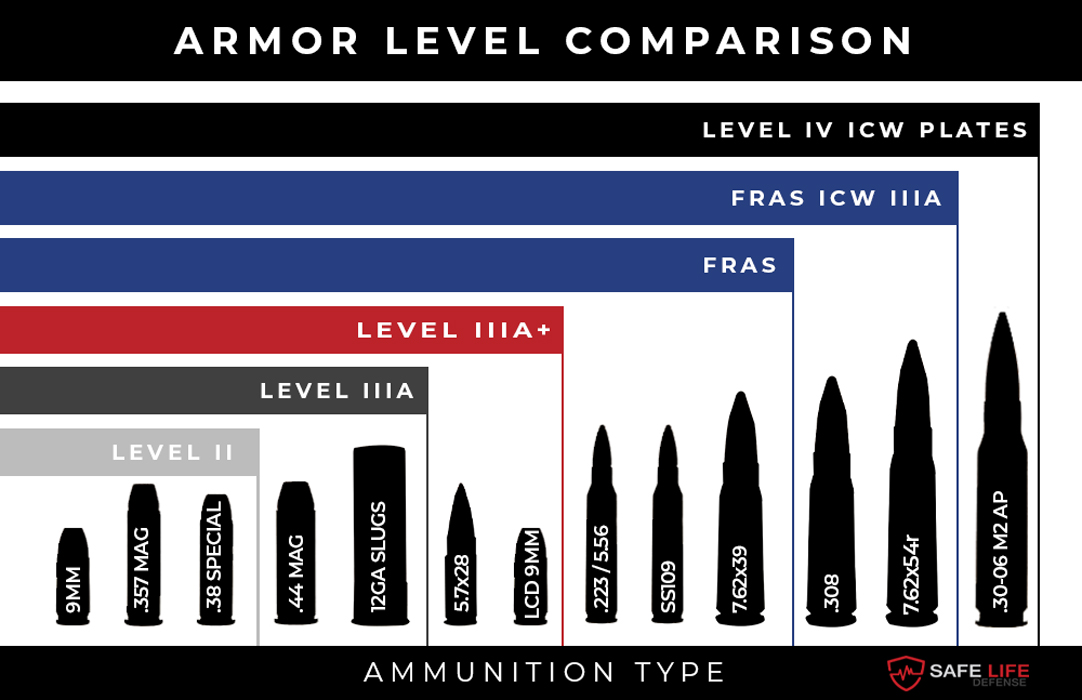
You might see levels like II or III while shopping. These are lower levels of protection compared to level iv plates. Level III might stop rifle bullets, but not the armor-piercing kind. That is why level iv plates are the gold standard for high-threat protection. If you are not sure what you need, research the different levels carefully. You do not always need the heaviest gear, but it is better to have too much than too little. Compare the specs to find the best match for your specific daily needs.
Quick Facts: Plate Comparison
| Feature | Level III Plates | Level IV Plates |
| Weight | Lighter | Heavier |
| Protection | Standard Rifles | Armor-Piercing Rifles |
| Material | Often Steel/PE | Ceramic/Composite |
| Durability | Very High | High (Needs Care) |
Frequently Asked Questions
1. Can Level IV plates stop all bullets? No, they are made for rifle fire. They are not designed to stop every single type of weapon or explosive.
2. How heavy are these plates typically? Most plates weigh between five and eight pounds each. This can change based on the materials used.
3. Is it hard to breathe while wearing them? It takes a little practice to get used to the weight. Adjusting your carrier helps make it feel much better.
4. Should I buy used armor? It is usually best to buy new. You never know if used plates were dropped or damaged internally.
5. How long do these plates actually last? Most come with a five-year to ten-year lifespan. Always check the label for the specific date.
6. Can I cut my plate to make it fit better? Never cut or drill into a plate. This will ruin the protection and make it completely useless for safety.
Conclusion Staying safe means making smart choices about your gear. Level iv plates provide excellent protection for those who need it most. By understanding how they work, how to wear them, and how to care for them, you stay prepared. Do you have more questions about picking the right carrier? Let me know in the comments below! Stay safe and keep learning about the gear that keeps you protected.