Discover how east elementary schools provide great learning, friendly teachers, and safe spaces to help your child grow and succeed every single day.
Finding the right school for your child is a very big step. Every parent wants a safe place where kids can learn and grow. Many families look at east elementary schools to find the best start for their children. These schools offer great classrooms, fun activities, and kind teachers who care about every single student.
When you choose a school, you are choosing a community for your family. A good neighborhood school helps children make friends who live nearby. It also makes it easy for parents to visit the school and talk with teachers. Let us explore what makes these campus locations so special for young learners.
What Are East Elementary Schools
These learning centers are public or private schools that serve children from kindergarten through fifth grade. They sit on the eastern side of various towns and cities across the country. They focus on building basic skills like reading, writing, and math. Kids also get to explore science, history, art, and music in bright classrooms.
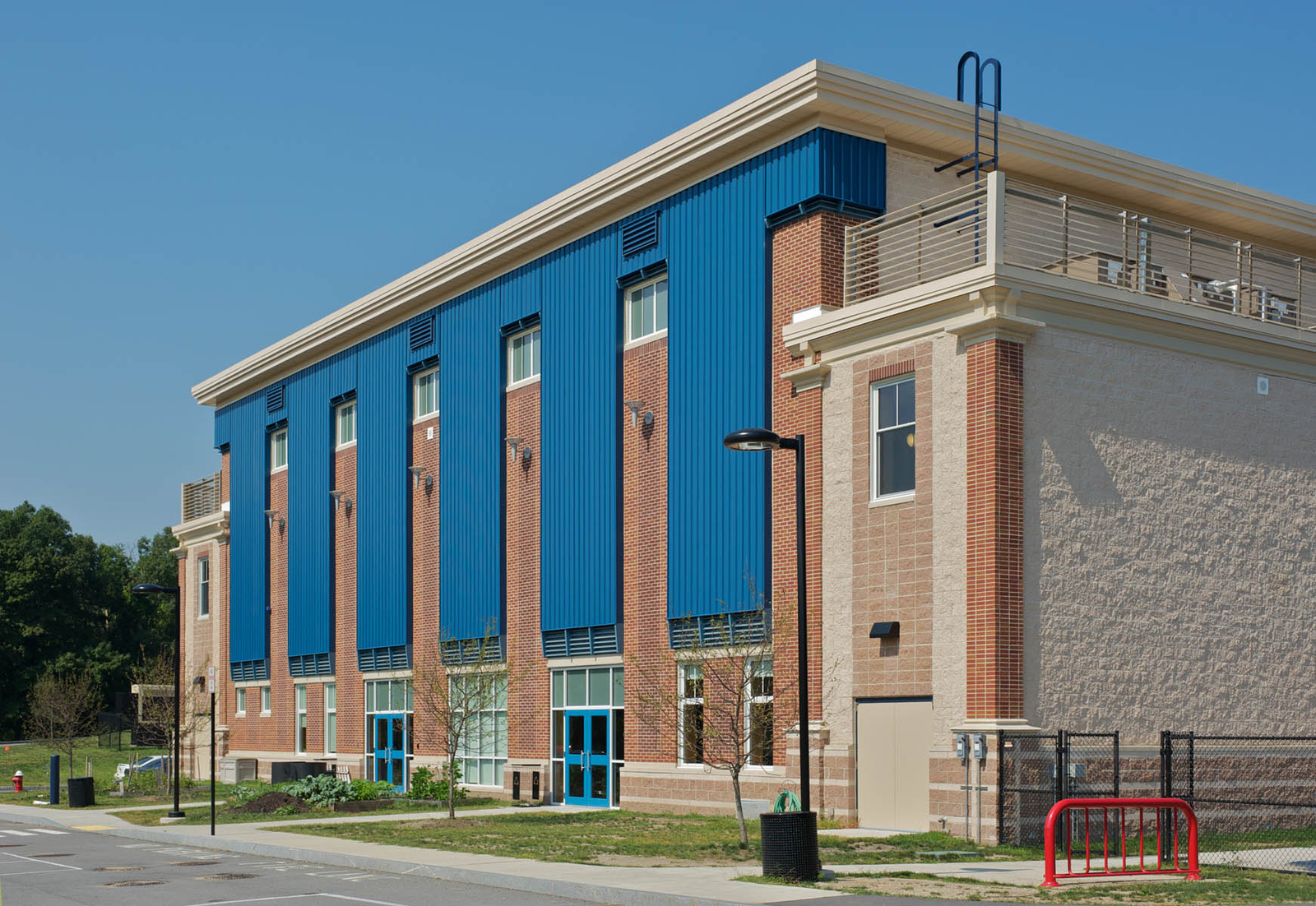
Most of these buildings feature modern design spaces built for active kids. They have big playgrounds where children learn to play together and share. Inside, you will find library spaces filled with books that spark young imaginations. The main goal is to make sure every child feels welcome and ready to learn.
Why Choosing a Local Primary School Matters
Going to a nearby school saves a lot of time for busy families every morning. Short bus rides or walks mean kids arrive at school fresh and energized. They do not have to wake up too early or sit in traffic for a long time. This simple routine helps children focus much better on their morning lessons.
Local schools also create strong bonds between neighbors who live on the same streets. Your child will go to class with the same kids they play with on weekends. Parents can form carpools easily or meet up at the school park after hours. It turns the school experience into a true family neighborhood adventure.
The Daily Schedule for Young Students
A typical day at east elementary schools starts with a warm greeting from the principal. Students head to their classrooms and put their backpacks away in small cubbies. The morning hours usually focus on reading and language arts when minds are most awake. Teachers use fun stories and games to teach new words.
After lunch, the kids head out to the playground for some fresh air and exercise. The afternoon is perfect for hands-on science projects or math games on computer tablets. Before the final bell rings, teachers help students pack up and write down their homework. It is a busy day full of structure and creative play.
Core Subjects Taught Every Day
Reading is the most important foundation built in these early grades. Teachers spend time with small groups to help every child read smoothly. Students learn how to sound out big words and understand deep stories. Writing lessons help them share their own thoughts and ideas on paper.
Math lessons use physical blocks and digital shapes to make numbers easy to understand. Kids learn to add, subtract, multiply, and divide through real-world examples. Science classes let students look at bugs, plants, and weather patterns up close. These subjects teach children how to think about the world around them.
Creative Arts and Physical Education
Learning is not just about books and test papers. Students need to move their bodies and use their artistic talents too. Gym class teaches kids how to run, catch, and play team sports safely. It builds strong muscles and teaches everyone how to be a good sport.
Music and art classes let children express themselves in creative ways. They learn to paint with bright colors, mold clay, and sing fun songs together. Many east elementary schools host winter and spring shows for parents. These events give children a chance to shine on stage and build great confidence.
How Teachers Support Different Learners
Every child learns at their own special pace. Some kids pick up reading fast, while others need a bit more time and practice. Teachers use special lesson plans to make sure no one gets left behind. They offer extra help during quiet study times or work in tiny groups.
Schools also provide advanced programs for kids who need an extra challenge. These students get to work on deeper projects and solve tougher puzzles. Special education teachers are also on hand to assist kids with unique physical or learning needs. Every child gets the exact tools they need to thrive.
Technology in the Modern Classroom
Classrooms look a lot different today than they did years ago. Students often use interactive smartboards and individual laptops to complete their daily assignments. These tools make lessons come alive with colorful videos and educational games. Children learn how to use technology safely and wisely for their research.
Teachers use software to track how well each student is doing in real-time. This helps them see right away if a child struggles with a math skill. Parents can also log into school apps to check grades and view daily updates. It keeps the whole family connected to the learning journey.
School Profiles and Community Data
Every school has its own unique story, size, and leadership team. To help you understand how these institutions operate, we can look at a detailed profile table. This data shows the structure and community layout of a typical high-quality primary learning center.
| Feature | Details and Description |
| Grades Served | Kindergarten through 5th Grade |
| Average Class Size | 18 to 22 students per teacher |
| Core Curriculum | State Standards for Math, Reading, and Science |
| Special Programs | Gifted Education, Speech Therapy, Reading Help |
| Technology Access | One tablet or laptop for every single student |
| Safety Features | Locked doors, visitor check-in, security cameras |
| After-School Care | Homework help, sports clubs, and art programs |
Parent Involvement and Volunteer Work
Schools are always strongest when parents get involved in daily activities. You can join the parent-teacher group to help plan fun school events. Volunteering to read books in the classroom is a great way to support teachers. It shows your child that you care deeply about their education.
Parents also help raise money for new playground equipment or field trips. Attending parent-teacher conferences lets you talk about your child’s progress face-to-face. These regular meetings build a team of adults who are all working for the child. When home and school work together, students do much better.
Safe Environment and School Security
Keeping children safe is the number one priority for school principals. Buildings have secure entrance doors that stay locked during the whole school day. Visitors must ring a buzzer and show identification before entering the main hallway. Staff members watch the hallways and playgrounds at all times.
Schools also practice safety drills so everyone knows what to do in emergencies. Teachers talk about kindness and respect to prevent bullying on the playground. Counselors are available to help kids talk through feelings of sadness or worry. It creates a peaceful space where kids feel protected and happy.
Preparing for the Step to Middle School
The fifth-grade year is an exciting time of transition for oldest elementary students. Teachers help them get ready for the bigger challenges of middle school. Kids learn how to change classrooms, use lockers, and manage bigger homework loads. It builds the independence they will need as they grow up.
Principals organize visits to the local middle school so kids can see the new building. They meet the new teachers and learn about middle school sports and clubs. This careful preparation takes away the fear of the unknown. Students leave their east elementary schools feeling proud, confident, and ready for tomorrow.
Frequently Asked Questions
How do I enroll my child in east elementary schools?
You can visit the school district website or go directly to the main school office. You will need to bring your child’s birth certificate, immunization records, and proof of your home address.
What time does the school day usually start and end?
Most primary schools open their doors around 8:00 AM and dismiss students around 3:00 PM. Some locations offer morning breakfast programs starting a bit earlier.
Is there after-school care available on the school campus?
Yes, many schools partner with local clubs to offer safe after-school care right inside the building. Students can do homework, eat healthy snacks, and play games until parents pick them up.
How can I track my child’s daily learning and grades?
Parents receive access to a secure online portal or smartphone application. You can view assignment scores, attendance records, and send direct notes to your child’s teacher anytime.
Do these schools provide healthy lunch options for students?
School cafeterias serve balanced meals that follow strict federal nutrition rules. Every lunch includes fresh fruits, vegetables, whole grains, and healthy milk options.
What should I do if my child is struggling with reading?
You should schedule a meeting with your child’s classroom teacher right away. The school can provide extra reading specialists to help your child catch up quickly.
Conclusion
Choosing among the best east elementary schools sets your child on a wonderful path of lifelong learning. These campuses combine strong academic lessons with a kind, supportive neighborhood spirit. They give young children the perfect place to discover their talents, make friends, and build bright futures. Take the time to visit a local school tour and see these amazing classrooms in action today!